
Mangrove ecosystem is a very specialised environment occurring in between the terrestrial habitat and the sea in the tropical and sub-tropical regions. Sundarban is the largest delta formed by the confluence of the Ganges, Brahmaputra and Meghna rivers in the Bay of Bengal. Tide- dominated funnel-shaped estuary is intersected by mesh-like network of rivers, channels and creeks. The transitional habitat supports a unique variety of plant community, known as ‘mangrove’. The term ‘mangrove’ is derived from a Portuguese word ‘mangue’, which means salt tolerant plants. The Sundarban is one of the prominent examples of mangrove in the world.
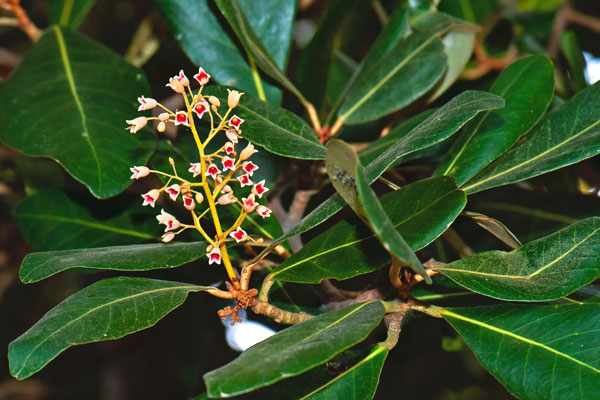
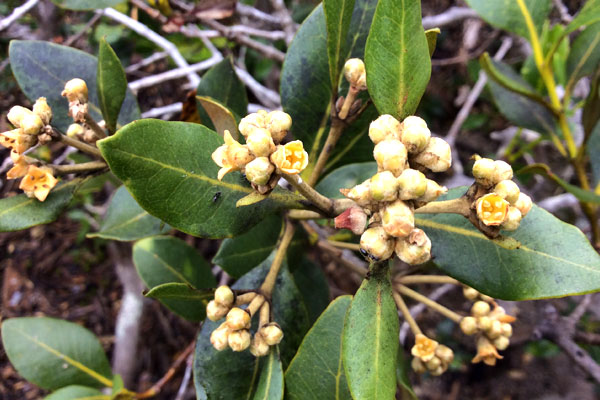
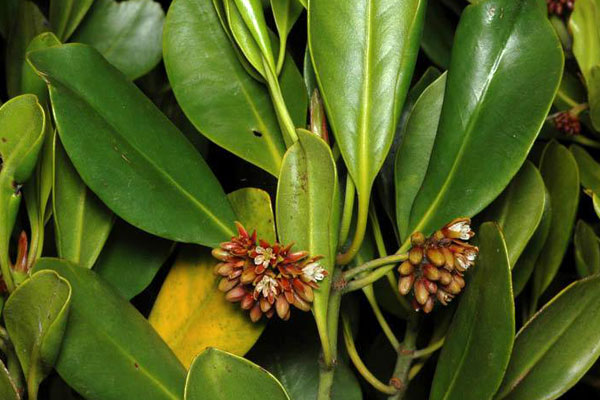
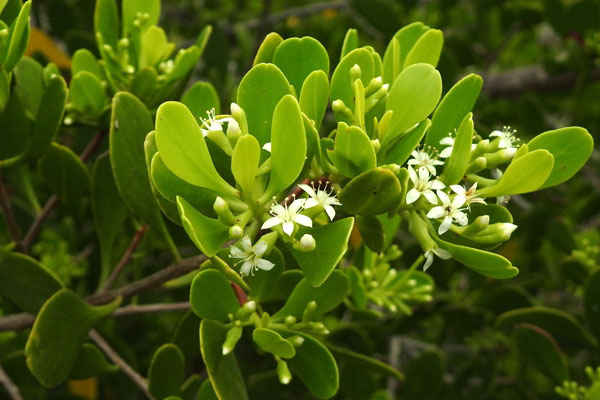
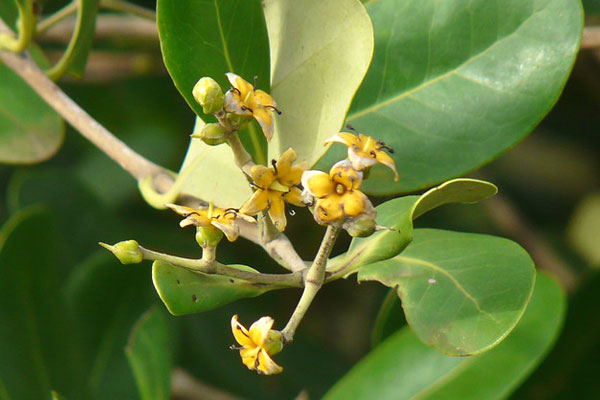
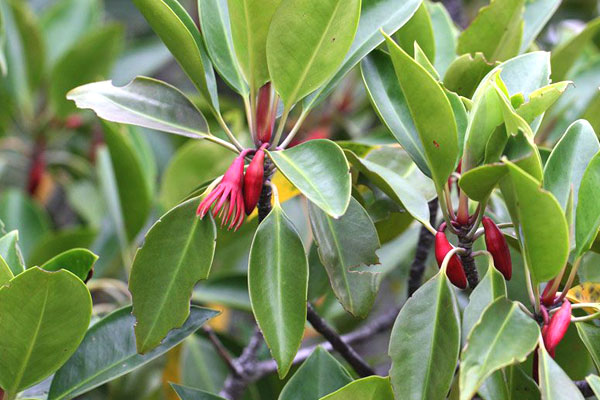
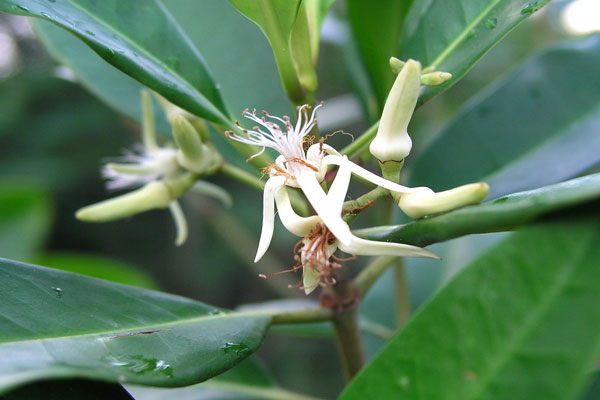
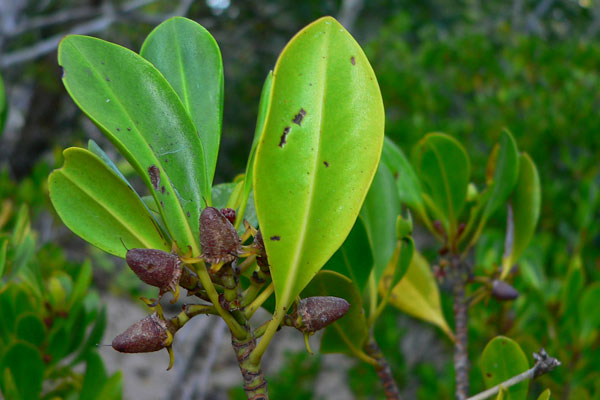
The mangrove formation is observed where the tidal interaction is normal with a constant mixing of sea water and fresh water and the optimal temperature is 20 degree Celsius. The vegetation can be classified as tidal swamp, salt water type mixed forests, brackish type and palm type forests.
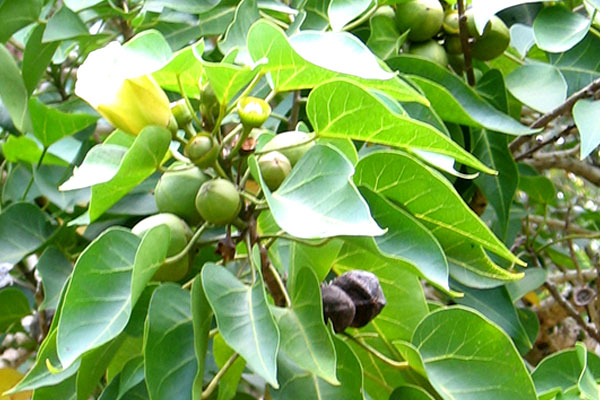
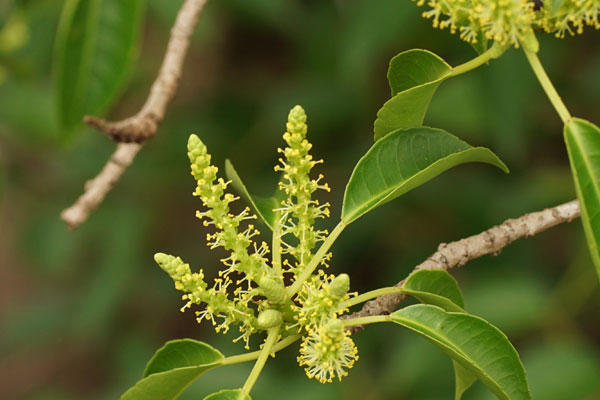
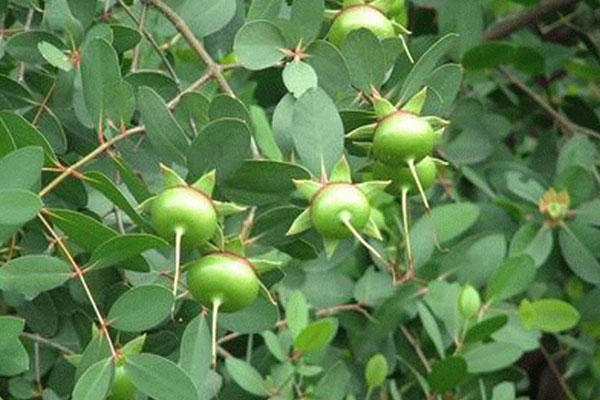
Sundarban is the home of more than 300 species of plants,among them some are true mangroves, namely:
Besides these, a native pioneer species called Dhani Ghas (Porteresia coarctata) grows in saline estuarine ecosystem. Important to note that, the salinity gradient makes the stratification of trees in the ecotone environment.

 |
|
